Why DIY Water Testing Often Fails
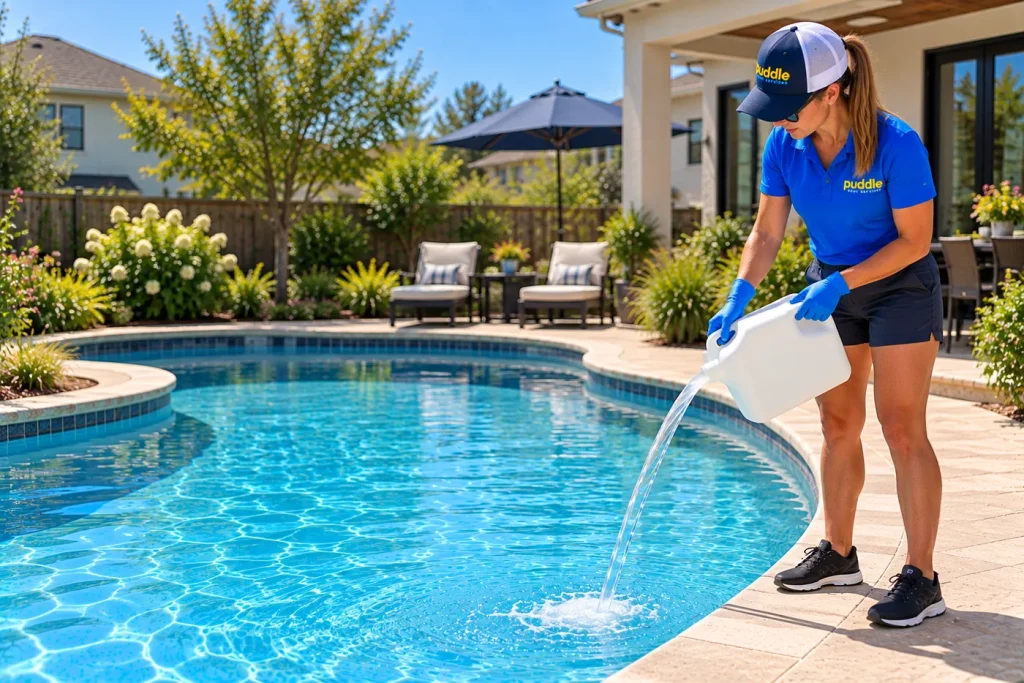
Many homeowners rely on basic test strips, but these tools often lack the precision needed to manage long-term water health. Subtle imbalances can go unnoticed until they start affecting water clarity or equipment performance. For example, high levels of cyanuric acid (CYA), which normally helps protect chlorine from sunlight, can become counterproductive if they rise too much. At elevated levels, CYA can reduce chlorine’s effectiveness, making it harder to properly sanitize the water. Similarly, when pH levels climb too high, chlorine becomes less active and struggles to do its job, increasing the risk of cloudy water or bacterial growth. Using more accurate testing methods and making precise adjustments helps maintain proper balance, ensuring your sanitizer works efficiently and your pool stays clean and safe.